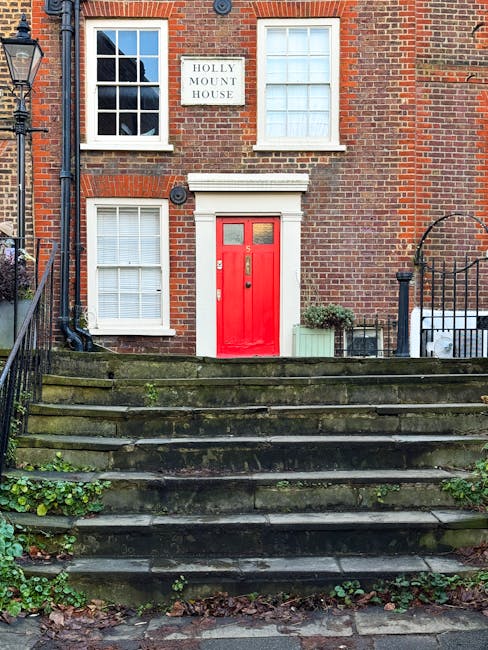
Camden council permit rules for Hampstead removals
If you are planning a move in Hampstead, the parking side of the job can matter just as much as the boxes. Camden council permit rules for Hampstead removals can affect where the van stops, how long loading takes, whether suspension is needed, and whether the whole move runs smoothly or turns into a frustrating scramble outside your building. Truth be told, a perfectly packed flat means very little if the vehicle cannot park legally near the door.
This guide breaks the process down in plain English. You will learn why the rules matter, how they usually work in practice, what mistakes cause the biggest delays, and how to plan a move with fewer headaches. Where it helps, we also point you towards useful pages such as home moving support, flat removal services, and flexible man and van help so you can match the move type to your situation.
Table of Contents
- Why Camden council permit rules for Hampstead removals Matters
- How Camden council permit rules for Hampstead removals Works
- Key Benefits and Practical Advantages
- Who This Is For and When It Makes Sense
- Step-by-Step Guidance
- Expert Tips for Better Results
- Common Mistakes to Avoid
- Tools, Resources and Recommendations
- Law, Compliance, Standards, or Best Practice
- Options, Methods, or Comparison Table
- Case Study or Real-World Example
- Practical Checklist
- Conclusion
- Frequently Asked Questions
Why Camden council permit rules for Hampstead removals Matters
In Hampstead, the biggest moving-day surprises usually have nothing to do with furniture. They are parking surprises. A narrow street, a bay already full of cars, a resident-only restriction, a suspension outside the building, or a loading ban can all add pressure to an otherwise simple move.
Camden council permit rules for Hampstead removals matter because removal vehicles are rarely treated like ordinary visitors. They often need some combination of permission, timing discipline, and careful kerbside planning. If you ignore that side of the move, you risk delays, extra carrying distance, rushed handling, and sometimes penalties. Nobody wants to be wheeling a wardrobe down the road in the rain at 8:15 a.m. because the van could not stop close enough. A bit grim, that.
These rules also matter for neighbours and building managers. A move that blocks traffic, clogs a shared access road, or parks on a suspension without checking in advance can create tension quickly. In a dense part of London like Hampstead, good planning is not just polite. It is operationally sensible.
Expert takeaway: For most Hampstead moves, the permit question should be handled before the boxes are sealed. Parking and access planning are not admin details; they are part of the move itself.
How Camden council permit rules for Hampstead removals Works
The exact rules can vary depending on the street, the time of day, the type of vehicle, and whether you are using marked bays, suspended bays, single yellow lines, or a loading area. The basic idea is straightforward: if a removal van cannot lawfully stop where it needs to, you need another arrangement.
In practice, that arrangement may involve a parking permit, a dispensation, a suspension, or an agreed loading window. Sometimes building management has its own access rules too, especially for mansion blocks, converted flats, and estates with private roads or tight courtyards. So you may need to think about two layers at once: the council side and the property side.
For a Hampstead move, the practical questions are usually these:
- Can the van park close enough to the entrance for safe loading?
- Is the stop legal for the time needed?
- Do any resident, visitor, or pay-and-display restrictions apply?
- Is the street narrow enough that the vehicle may need a booked space or bay suspension?
- Will lifts, stairs, or access routes make the loading time longer than expected?
If you are moving from a flat, a higher-floor property, or a building with awkward access, the parking plan becomes even more important. That is why services like packing and unpacking services or storage options can be surprisingly useful. They reduce the time the vehicle is tied up outside, which helps keep the whole move calmer.
One detail people miss: a permit or suspension is not automatically about the biggest move. Sometimes a small move in a busy street needs more planning than a larger move in an easier location. Size is not the whole story. Access is.
Key Benefits and Practical Advantages
Done properly, permit planning gives you more than legal compliance. It changes the feel of the day.
- Less time pressure: The van can arrive knowing where it may stop, which means fewer on-the-spot decisions.
- Safer lifting: Shorter carrying distances reduce the risk of damage to furniture, walls, and people.
- Lower stress: You are not trying to negotiate parking while a sofa is half out of a doorway.
- Better neighbour relations: Clear access planning keeps the street less chaotic.
- More accurate quoting: A realistic access plan helps movers estimate time and labour properly.
For many people, the biggest benefit is simply rhythm. When the parking slot is sorted, everything else tends to follow more smoothly. Doors open, trolleys roll, boxes go out, and the day has a shape. If the vehicle is circling the block, the whole thing feels more fragmented.
There is also a commercial benefit for landlords, agents, and office managers. Well-managed removals reduce the chance of complaints, blocked access, or unnecessary damage in common areas. If you are relocating a workspace, the same thinking applies to office removals and commercial moves, where timing and access are often tighter still.
Who This Is For and When It Makes Sense
This topic matters for anyone moving into, out of, or within Hampstead, but some people need to pay particular attention.
- Flat movers: Especially if the property is on a busy road or above ground floor.
- House movers: Even houses can sit on restricted streets or narrow terraces.
- Students: Student moves are often fast, but timing is usually tight and parking can still bite.
- Office teams: Business moves often have stricter schedules and fewer opportunities for error.
- People moving larger items: Pianos, wardrobes, fragile furniture, and white goods all benefit from close parking.
It also makes sense for people who are trying to coordinate removals alongside work, childcare, or building access windows. If you only have a small slot to get the van in, then permit planning is not optional. It is the plan.
If you are not sure what level of service you need, it can help to compare a lighter setup such as man with a van with a more structured option like full removal services. The right choice depends on volume, access, and how much heavy lifting is involved.
Step-by-Step Guidance
Here is a practical way to handle Camden council permit rules for Hampstead removals without letting the admin get messy.
- Check the property access first. Note the entrance, stairs, lift size, turning space, and whether there is any off-street loading area.
- Look at the road conditions. Identify bay restrictions, yellow lines, permit-only streets, timed loading limits, and any signed suspension notices.
- Decide what the van actually needs. A small van may manage with a different setup than a larger removal vehicle.
- Confirm whether building management has its own rules. Some properties require advance notice for lift use, entry codes, or loading bay access.
- Allow realistic loading time. It is easy to underestimate this. A first-floor flat with awkward corners can take longer than expected.
- Book the right moving support. If the job is light, a removal van may suit. For larger or more complex jobs, a fuller moving setup may be better.
- Double-check timing the day before. Weather, traffic, and building access can change quickly. London likes a curveball, apparently.
- Keep essential items separate. Documents, chargers, keys, tea bags, medication, and snacks should not disappear into the back of the van.
The move day itself should feel like a sequence, not a panic. Once the van is parked legally and the route is clear, the rest becomes far more manageable. Small detail, big difference.
Expert Tips for Better Results
After many moves, a few patterns become obvious. The people who stay calm are usually the ones who planned the access, not just the packing.
- Start earlier than you think you need to. Hampstead roads can become awkward fast, especially later in the morning.
- Use a direct loading route where possible. Fewer turns and fewer stairs mean less risk of knocks and delays.
- Label bulky items clearly. When time is limited, clear labels save repeated handling.
- Keep contact details handy. If the van needs a quick decision at the kerb, you do not want to be hunting through email.
- Protect common areas. Floor coverings, corner guards, and a bit of care go a long way in stairwells and hallways.
A practical little habit: walk the route from the flat to the street before the move starts. You will notice trip hazards, low ceilings, tight turns, and any awkward doors that seemed fine yesterday. It sounds almost too simple, but it works.
If you are moving larger or delicate items, it may be worth checking specialist support such as piano removals or furniture removals. These jobs often need more time, better padding, and a little more kerbside patience than people expect.
Common Mistakes to Avoid
Most moving problems are avoidable. Not all of them, of course, but most.
- Assuming parking will "just work out". In Hampstead, that is a brave assumption and usually a wrong one.
- Leaving permit checks until the morning of the move. That creates avoidable pressure.
- Underestimating loading time. One trip becomes three, and suddenly the van is sitting in a bad spot longer than planned.
- Forgetting about building rules. A council arrangement does not cancel a landlord or concierge requirement.
- Booking a vehicle that is too large for the street. Bigger is not always better. Sometimes it is just more difficult.
- Not preparing for bad weather. Wet pavements, slippery steps, and cardboard do not mix beautifully.
One of the most common frustrations is simple mismatch: a move planned like a suburban house move, but happening on a London street that behaves very differently. That gap creates stress. Planning closes it.
Tools, Resources and Recommendations
You do not need a complicated toolkit to stay on top of the parking side of a Hampstead move. A few basics make a real difference.
- Phone notes: Keep permit references, building access numbers, and mover contact details in one place.
- Printed move plan: Useful if battery life or signal turns awkward at the wrong moment.
- Labels and tape: Faster loading, faster unloading, fewer questions.
- Protective covers: Handy for furniture, banisters, and door frames.
- Storage option: A short-term buffer can save the day if completion dates or access times do not align.
On the service side, it helps to choose movers who are used to London access problems rather than surprised by them. Pages such as general removals, house removals, and student removals can be useful starting points depending on the type of move you are making.
For packing support, packing and boxes and packing and unpacking services can reduce the time spent with the van parked outside, which is often where the pressure builds.
Law, Compliance, Standards, or Best Practice
Parking and loading for removals sit within a wider mix of local parking control, traffic management, building rules, and common-sense safety practice. The exact legal position depends on the road, signs, restrictions, and any permissions granted, so it is wise to treat the council side carefully rather than assuming one move fits every street.
Best practice is simple enough to describe, even if the details vary:
- Do not block access routes unless you have permission and a valid arrangement to do so.
- Follow signed restrictions exactly, including times and loading conditions.
- Make sure drivers understand where they may stop and for how long.
- Protect pedestrians, neighbours, and property while loading and unloading.
- Use enough people for heavy items so the lift is controlled, not rushed.
From a safety point of view, moving is not just about parking law. It is also about manual handling, clear walkways, and sensible communication. A removal job should feel organised, not improvised. If you want to see how a professional company frames those responsibilities, the pages on health and safety and insurance and safety are useful references.
Where there is uncertainty, the safest approach is to plan conservatively. Give yourself more time, assume the access will be a little tighter than ideal, and avoid building the day around a perfect parking scenario. In real life, perfect is rare.
Options, Methods, or Comparison Table
Different types of move need different levels of permit planning. Here is a simple comparison that may help you decide how much preparation is sensible.
| Move type | Typical access pressure | Permit or parking focus | Best fit |
|---|---|---|---|
| Small flat move | Medium to high | Bay availability, loading time, stairs | Good for compact loads and short routes |
| House move | Medium | Street width, larger vehicle access, driveway use | Better when there is room to load safely |
| Student move | Usually high on timing, moderate on volume | Quick stop, efficient loading, minimal waiting | Best with light, well-labelled items |
| Office relocation | High | Timed loading, building access, staff coordination | Requires more structured planning |
| Large or specialist item move | High | Close parking, safe lifting space, longer handling time | Needs extra care and likely more than one person |
If you are weighing up methods, the real choice is not just van size. It is how the access constraints interact with the item list. A smaller van can actually be the easier route on a tight Hampstead street. Funny how that works.
Case Study or Real-World Example
Imagine a couple moving out of a second-floor flat near a narrow residential street in Hampstead. They have a sofa, a bed frame, several boxes, a mirror, and a few awkward kitchen items. On paper, it looks manageable. In practice, the street has limited stopping space and residents tend to park close to the kerb all day.
They first assume the van can double park briefly. But because the street is busy and the loading route is long, that would create stress and a possible delay. Instead, they plan ahead, check the access restrictions, and choose a van size that can work with a shorter loading window. They also separate fragile items, pre-label the boxes, and clear the hallway the night before.
The result is not glamorous, but it is calm. The van parks in the permitted spot, the movers work steadily, and there is no last-minute scramble. The couple still have to carry a few boxes through a bit of drizzle - because London in the morning, obviously - but the move stays controlled. That is the real win.
This kind of planning is especially useful when a move includes temporary holding of items, where storage can bridge the gap between access windows or completion timing. It removes pressure from the loading day and gives everyone a bit more breathing room.
Practical Checklist
Use this checklist before moving day. It is simple, but it catches the usual problems.
- Confirm the move date and time with everyone involved.
- Check road restrictions near the property.
- Decide whether a permit, loading arrangement, or bay suspension may be needed.
- Speak to building management if access goes through shared space.
- Measure larger furniture and key doorways.
- Pack fragile items separately and label them clearly.
- Set aside essentials for the first 24 hours.
- Keep contact details for the moving team close at hand.
- Protect floors, corners, and high-contact areas where possible.
- Plan for a little extra time. Always a little extra.
One tiny but useful habit: put the kettle somewhere safe and obvious. It sounds trivial, yet after a long move, that first cup of tea can feel like a small miracle.
Get a free quote today and see how much you can save.
Conclusion
Camden council permit rules for Hampstead removals are really about one thing: making sure the move can happen legally, safely, and without avoidable stress. Once parking and access are handled properly, everything else becomes easier to organise. The boxes still need lifting, of course, and the stairs do not magically disappear, but the day feels more controlled.
If you remember only one thing, let it be this: plan the parking with the same care you give the packing. In a place like Hampstead, that is not overcautious. It is just sensible. And a sensible move is usually a smoother move.
When the final box is in, and the van pulls away without drama, you will be glad you sorted the details early. That quiet bit of relief at the end? Worth it.
Frequently Asked Questions
Do I always need a permit for removals in Hampstead?
Not always, but you should never assume you can stop anywhere legally without checking. The need for a permit, loading permission, or parking arrangement depends on the specific street, the time of day, and the size of the vehicle.
What happens if the removal van cannot park near my building?
The team may have to park further away, which increases carrying time and the chance of delay. That can affect the whole schedule, especially on a narrow or busy road. It is better to plan for close access in advance.
Are flat moves more likely to need parking planning than house moves?
Usually, yes. Flats often involve stairwells, shared entrances, lifts, and less outdoor space. That does not mean houses are simple, but flat moves tend to create more access pressure around the kerb.
How far in advance should I sort the parking side of the move?
As early as you can. The more congested the street and the more complex the access, the earlier you should plan. Leaving it until the last minute is where problems tend to start.
Can a smaller van help with Camden council permit rules for Hampstead removals?
Yes, sometimes. A smaller van may fit more easily into a tight street or loading spot, but it still needs to stop legally. Vehicle size helps, but it does not replace proper permission or access planning.
Do building managers need to be told about the move?
Often they do. Many buildings have their own rules for lifts, access codes, loading bays, or moving hours. Council rules and building rules are separate, so it is smart to check both.
What should I do if my move includes large furniture or fragile items?
Allow more time, use good packing materials, and make sure the vehicle can stop as close as possible. For very heavy or awkward pieces, specialist support such as furniture removals or piano removals can reduce the risk of damage.
Is same-day moving realistic if parking is difficult?
It can be, but only if the access side is manageable. Same-day removals are much easier when the parking plan is simple and the load is light. If access is tight, you need a more flexible schedule.
What is the biggest mistake people make with removal parking?
Assuming it will sort itself out. That one assumption causes a lot of stress. In a busy area like Hampstead, parking is often the part that decides whether the move feels smooth or chaotic.
Can storage help if access timing is awkward?
Yes. Storage can be a practical buffer if completion times, key handovers, or parking windows do not line up neatly. It gives you breathing space and can make the move much less pressured.
Should I choose removals or a man and van service?
It depends on the size of the load, the access conditions, and how much help you need. A man and van setup can be ideal for lighter or faster moves, while larger or more complex jobs may suit a fuller removals service.
How do I make the day less stressful overall?
Keep the plan simple, label everything clearly, confirm access early, and leave yourself a bit of extra time. The less improvisation required on the day, the calmer it usually feels. Small thing, big difference.