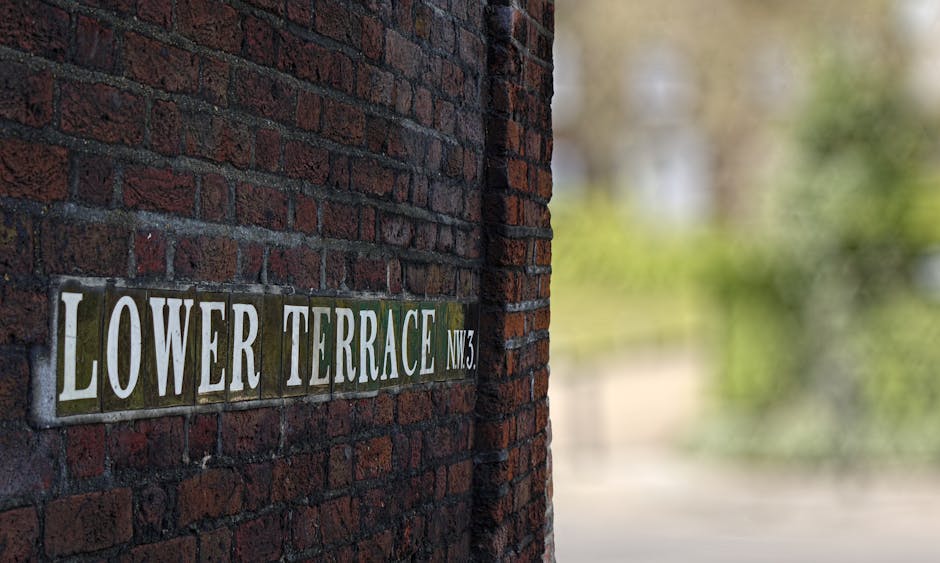
Common mistakes when booking a man with van in NW3

Booking a man with van in NW3 sounds simple enough. You need a few items moved, maybe a flat cleared, maybe just a sofa carried up a tight stairwell off a narrow Hampstead street. Easy, right? Well, not always. The most common mistakes when booking a man with van in NW3 usually happen before the van even turns up: unclear quotes, poor access planning, wrong vehicle size, or not checking what is actually included. A rushed booking can turn a fairly ordinary move into a very long afternoon.
Truth be told, NW3 has its own quirks. Think steep roads, limited parking, busy local streets, controlled parking zones, and buildings where the hallway feels narrower than the box the item came in. This guide breaks down the mistakes people make, why they matter, and how to avoid them. You will also find a practical step-by-step approach, a comparison table, a checklist, and some sensible questions to ask before you book.
Let's face it, nobody wants moving day to become a scramble. A little planning goes a long way.
Why Common mistakes when booking a man with van in NW3 Matters
The reason this topic matters is simple: a small booking error can create a much bigger moving problem. In NW3, access is often the deciding factor. If the van cannot park close enough, if the driver has not been told about stairs or long carries, or if the quote did not include waiting time, the whole job can become slower and more expensive than expected.
It also matters because many people assume a man and van service is a one-size-fits-all solution. It is not. A quick student move is very different from a full flat removal, and a single bulky item is different again. If you book the wrong type of service, you may end up paying for extra trips, paying for extra labour, or sitting around while the job is rescheduled. Nobody enjoys that. Especially not on a rainy Friday when the boxes are already stacked in the hallway.
In our experience, the biggest frustrations come from the things people forgot to mention upfront. A piano. A wardrobe that cannot be dismantled. No lift in the building. A basement flat with tight access. Small details, big consequences.
Expert summary: the best booking in NW3 is rarely the cheapest quote on paper; it is the clearest quote, with the right vehicle, realistic timings, and honest access details.
How Common mistakes when booking a man with van in NW3 Works
A man with van service usually works in a pretty straightforward way. You describe what needs moving, where it is going, when you need it done, and any access issues. The provider then estimates the vehicle size, time required, and labour needed. If the job is local, it may be billed by hour or as a fixed price, depending on the company and the level of certainty involved.
That is the neat version. The real version is a bit messier. Parking restrictions, awkward lifts, traffic around the area, and last-minute changes can all affect the final result. A good provider will ask follow-up questions. How many floors? Is there a lift? Are there any fragile items? Can the van wait outside? Will there be anyone to help with loading? If those questions are not asked, that is often a warning sign.
Booking well means understanding the service before you commit. Read the quote properly. Ask what is included. Confirm whether dismantling, carrying, fuel, or congestion-related delays are covered. If storage is involved, or if you need packing help, those are separate parts of the move and should be treated as such. For more detailed service information, it can help to look at man with van services alongside broader options such as removal services and man and van support.
Key Benefits and Practical Advantages
When you avoid the usual booking mistakes, the benefits are immediate and pretty tangible. The job tends to run more smoothly, the price is easier to understand, and there is less chance of a stressful half-finished move with boxes sitting in the wrong room at 8pm.
- Better timing: the van and crew arrive prepared for the real job, not a guessed version of it.
- Lower risk of extra charges: accurate details reduce surprise costs for stairs, waiting, or additional items.
- Less physical strain: the right vehicle and enough help means less lifting for you.
- Cleaner coordination: if you are moving around school runs, work hours, or building access windows, precise planning matters.
- More peace of mind: you know what is happening, who is doing it, and roughly how long it should take.
There is also a quieter benefit that people often overlook: confidence. Once you have a clear booking, you can focus on packing properly, checking keys, and keeping fragile items together instead of trying to solve problems on the doorstep.
Who This Is For and When It Makes Sense
This kind of service makes sense for lots of different people in NW3. You do not need a giant house move to justify it. In fact, many bookings are for small or medium-sized jobs where a full removal company would be too much, but a car boot would be far too little.
It is often a good fit for:
- people moving between flats in the same neighbourhood
- students leaving or arriving in shared accommodation
- families moving a few bulky items
- homeowners clearing a room or garage
- small businesses shifting stock or office furniture
- anyone needing a same-day collection or delivery
It also makes sense if you are moving something awkward: a mattress, table, wardrobe, desk, or a single large appliance. To be fair, these are the jobs that look simple until you try to carry them down a narrow staircase on your own. That is when professional help suddenly feels very sensible.
If you are planning a larger move, you may want to compare your options with home moves, flat removals, or even house removals if the scale is bigger than first expected.
Step-by-Step Guidance
1. List everything that needs to go
Start with a room-by-room list. Include bulky furniture, boxes, fragile pieces, and anything that may need dismantling. Do not guess. If a wardrobe is full or the bed frame is still assembled, say so.
2. Check access at both ends
This is one of the biggest places people go wrong. Note stairs, lifts, parking distance, narrow hallways, controlled access, and whether the van can stop nearby. NW3 can be very unforgiving on this point. A ten-metre carry sounds minor until it is a washing machine.
3. Ask what the quote includes
Does it include loading and unloading? Fuel? Waiting time? Dismantling? Extra helpers? If the answer is vague, ask again. A good quote should feel clear, not like a puzzle.
4. Match the vehicle to the job
A small van may suit a few boxes and chairs. A larger load may need a bigger removal van. Overfilling a vehicle or splitting the move across too many trips is where time and money start leaking away.
5. Confirm timing and any local constraints
Traffic, parking windows, and building access times can all affect the schedule. If your building only allows moves at certain hours, say so early. No point discovering that at the front door, really.
6. Share special handling needs
Tell the provider if something is fragile, unusually heavy, valuable, or awkward. A piano, mirror, antique cabinet, or glass table needs more care than a standard box of books. If you need that level of help, services such as piano removals or furniture removals may be more appropriate.
7. Prepare the property before the crew arrives
Pack, label, clear hallways, protect fragile floors where appropriate, and keep essentials separate. The smoother the handover, the faster the move tends to go. Simple, but true.
Expert Tips for Better Results
Here are the little things that make a big difference, the sort of things people only learn after one or two awkward moves.
- Take photos of awkward items. A quick picture helps with sizing and access planning.
- Be honest about volume. Underestimating the load almost always backfires.
- Leave a small buffer. If you think the job will take two hours, allow a bit more. Life has a way of adding ten minutes here and there.
- Keep valuables with you. Passports, keys, laptops, and documents are best carried personally.
- Separate fragile items early. Do not leave glassware mixed into a random box labelled "kitchen-ish".
- Ask about insurance and safety procedures. It is a sensible question, not a difficult one.
A useful mindset is to treat the booking like a mini project. Not dramatic. Just organised. If you need boxes or wrapping supplies, look at packing and boxes and, where needed, packing and unpacking services. That extra bit of prep can save a surprising amount of stress.
And yes, label the boxes properly. Future you will be grateful.
Common Mistakes to Avoid
This is the heart of it. The most common mistakes when booking a man with van in NW3 are usually avoidable once you know what to look for.
1. Choosing only on price
The cheapest quote is not always the best value. A low price may mean a smaller vehicle, fewer helpers, or extra charges later. What looks like a bargain on the message thread can become expensive once the job starts.
2. Failing to mention access problems
Stairs, parking restrictions, long walks from the van, or no lift at the destination all change the job. If you leave those details out, the provider cannot price the work properly and may need to adjust on the day.
3. Not checking what happens if the job runs long
Some moves are quick. Some are not. Ask how additional time is charged. That way you are not guessing when the clock keeps moving.
4. Booking the wrong type of service
A small local collection is different from a full flat move or business relocation. A service designed for one kind of job may not be ideal for another. If you need office support, for example, office removals or office relocation services may be better suited.
5. Leaving packing until the last minute
Last-minute packing usually creates broken items, missing labels, and unnecessary delays. It also makes the move feel more chaotic than it needs to be. Nobody wants to be taping up a box while the van is already outside.
6. Forgetting to ask about insurance
You do not need to overcomplicate this, but you should know what cover is in place and what it means for your items. Insurance and safety are part of responsible moving practice, not an optional extra. If you want to understand the company's approach, their insurance and safety information is worth reading.
7. Not confirming payment details in advance
Payment confusion causes more friction than it should. Confirm accepted payment methods, deposit requirements if any, and whether the final amount depends on time or access. A clear payment arrangement is just cleaner all round.
8. Assuming disposal is included
If you have items for recycling or disposal, do not assume they will be taken away automatically. Separate that question early. For furniture and unwanted items, it may be worth checking furniture pick-up and the company's recycling and sustainability approach.
9. Ignoring terms and conditions
This is the boring bit, yes, but it matters. Terms can explain cancellation rules, liability limits, waiting charges, and what happens if access is blocked. Boring on the surface, useful in reality.
10. Not booking early enough
Same-day help is often possible, but popular time slots go quickly. If your move is time-sensitive, earlier booking gives you more choice and fewer compromises.
Tools, Resources and Recommendations
You do not need fancy equipment to book well, but a few simple tools make the process much easier.
- Phone camera: take photos of furniture, staircases, and loading points.
- Notes app or checklist: keep item lists, dates, and access details together.
- Tape measure: useful for doors, large furniture, and awkward corners.
- Labels and marker pens: keep boxes grouped by room and priority.
- Blanket or protective wrap: helpful for more delicate surfaces.
As for resources, a sensible place to start is the company's pricing and quote information. A clear quote page should help you understand how pricing is calculated and what details affect cost. You can also review practical pages like pricing and quotes, terms and conditions, and about us if you want to understand how the business presents itself and what service standards it aims to follow.
If you are comparing moving options, it can also help to look at broader services such as removal companies, removal truck hire, or removal van services. Different jobs need different levels of support, simple as that.
Law, Compliance, Standards, or Best Practice
For most people booking a man with van, the key compliance issues are practical rather than complicated. You want a provider that takes safety, property protection, and fair trading seriously. That means clear pricing, sensible handling, and honest communication about what the service can and cannot do.
In the UK, moving work should be carried out with reasonable care for people and property. That includes safe lifting, suitable equipment where needed, and sensible vehicle loading. If a move involves stairs, heavy items, or public footpaths, the provider should think through the risks rather than improvise on the day.
Best practice also means being careful with building rules and local access constraints. Some blocks in NW3 have specific moving windows, lift booking requirements, or parking arrangements. These are not legal drama moments, just everyday realities. But if they are ignored, the move can be delayed or disrupted.
Finally, if you are disposing of items or clearing out unwanted furniture, do not leave it vague. Good practice is to separate what is being moved from what is being removed for disposal or recycling. That avoids confusion and helps keep the job tidy and transparent.
For customers, the easiest safeguard is to ask clear questions and read the service information before booking. A company that answers plainly is usually a better fit than one that dances around the details. If you are unsure, ask. Properly. It saves hassle later.
Options, Methods, or Comparison Table
Not every move needs the same solution. Here is a simple comparison to help you decide what sort of booking makes sense.
| Option | Best for | Main advantage | Possible downside |
|---|---|---|---|
| Man with van | Small to medium moves, single items, local jobs | Flexible and practical | May not suit large or complex moves |
| Removal company | Full house or flat moves | More structured support | Usually more expensive than a smaller service |
| Van hire only | People doing their own loading and driving | Can be cheaper on paper | You handle the heavy work and the logistics |
| Storage plus moving | Moves with timing gaps or refurbishment delays | Useful flexibility | Requires more planning and coordination |
If you need temporary holding space between properties, consider storage. If your timing is tight, same-day removals may be the better fit, provided you are upfront about the load and access conditions.
Case Study or Real-World Example
Picture a typical NW3 move. A couple is leaving a top-floor flat near a busy road. They only have a few large pieces: a bed, a sofa, a dining table, six boxes, and a mirror. On paper, it sounds quick.
But then the details come out. The lift is out of service. Parking is limited. The sofa needs to be manoeuvred around a tight landing. One box contains books and weighs far more than expected, because of course it does. The couple had originally requested a small van with one helper, mainly to save money.
When the service was reassessed properly, the job needed a slightly larger vehicle and an extra person to handle the bulky items safely. It cost more than the first rough idea, but it avoided delays, damage, and the kind of awkward silence that happens when everyone is staring at a staircase and nobody wants to be the first to say, "This is not going to fit."
That is the lesson. A realistic booking can seem less exciting than a bargain quote, but it usually works out better. Cleaner. Calmer. Less last-minute panic. And yes, that counts for a lot.
Practical Checklist
Use this before you confirm your booking.
- Have you listed every item that needs moving?
- Have you checked stairs, lifts, parking, and access at both addresses?
- Have you told the provider about fragile, heavy, or awkward items?
- Do you know whether loading, unloading, and waiting time are included?
- Have you confirmed the vehicle size and number of helpers?
- Do you know how payment works?
- Have you checked insurance and safety information?
- Are you clear on cancellation or rescheduling terms?
- Have you packed and labelled boxes properly?
- Have you separated anything for disposal, recycling, or storage?
If you can tick most of those off, you are in a much stronger position than the average last-minute mover. Not perfect, but definitely better.
Conclusion
The common mistakes when booking a man with van in NW3 usually come down to three things: unclear details, poor planning, and assuming every move is simpler than it really is. Once you account for access, timing, vehicle size, and what is actually included, the process becomes far easier to manage.
What matters most is being specific. Share the awkward bits early. Ask about the quote. Confirm the service level. That small bit of care can save time, money, and a fair amount of stress on the day. And in a place like NW3, with its mix of flats, hills, narrow roads, and busy schedules, that care is worth it.
Take your time, ask the boring questions, and trust the details. That is usually where a good move starts.
Get a free quote today and see how much you can save.
Frequently Asked Questions
What should I ask before booking a man with van in NW3?
Ask what is included in the quote, how the pricing works, whether loading and unloading are covered, what size van will be used, and how access issues are handled. Those basics prevent most misunderstandings.
Is a man with van cheaper than a full removal company?
Often yes, for smaller or simpler jobs. But if the move is larger, involves multiple helpers, or needs more time than expected, a removal company may be better value overall. Cheapest on paper is not always cheapest in practice.
How far in advance should I book?
As early as you can, especially if you need a specific day or time. Same-day bookings can work, but advance notice usually gives you more choice and a smoother experience.
Why do quotes change after I give more details?
Because more details usually reveal more work. Stairs, parking distance, bulky items, dismantling, and waiting time all affect the real effort involved. A more accurate quote is usually a better quote.
What are the biggest access problems in NW3?
Typical issues include narrow streets, limited parking, controlled access, top-floor flats, and awkward staircases. If the van cannot park close by, the job often takes longer.
Do I need to pack everything myself?
Not always, but you should agree this in advance. Some providers can help with packing or unpacking, while others focus only on transport and lifting. Check before the day arrives.
Should I mention fragile or valuable items?
Yes, always. Fragile, heavy, or valuable items need careful handling and sometimes special protection. It is much better to flag them early than deal with damage later.
What if I have items to dispose of as well as move?
Tell the provider upfront. Disposal and moving are not always the same thing. Some companies offer furniture pick-up or recycling options, but you should confirm this rather than assume it is included.
How do I know if the quote is fair?
Look for clarity. A fair quote should explain the vehicle, labour, timing, and any extra charges. If it is vague, keep asking until it makes sense. If it still does not, that is a sign to keep looking.
Can I book a man with van for just one item?
Yes, very often. Single-item jobs are one of the most common reasons people use this service. A sofa, bed, wardrobe, or appliance can all be moved this way if the access and size are suitable.
What happens if the move takes longer than planned?
That depends on the provider's terms. Some charge by the hour, while others use fixed pricing with clear limits. Ask this before booking so there are no surprises if the job runs over.
Is it worth choosing a local NW3 service?
Usually, yes, if the company knows the area well. Local knowledge can help with access planning, parking expectations, and realistic timing. It is not everything, but it does help.
What is the most common mistake people make?
The biggest mistake is underestimating the details. People often forget stairs, parking, item size, or waiting time, then wonder why the move feels harder than expected. A little honesty at the start saves a lot later.