Heath Street Man with Van Guide for Narrow Access Moves
If you are planning a Heath Street man with van guide for narrow access moves, you are probably dealing with the sort of London property access that makes even a simple move feel a bit fiddly. Tight stairwells, parked cars, limited turning space, awkward front steps, low-hanging branches, and neighbours who would quite like the pavement back, thank you very much. In places like Heath Street, a good move is rarely about brute force. It is about planning, timing, and choosing the right van size and handling approach.
This guide walks through what narrow access moving actually involves, how a man and van service usually handles it, where the risks sit, and how to prepare so the day goes smoothly. You will also find a checklist, a comparison table, and practical advice on pricing, compliance, and what to ask before you book. If you are comparing providers, it can also help to review the company's pricing and quotes guidance, plus the wider information on insurance and safety and health and safety policy.
Key takeaway: narrow access moves are won or lost before the van even arrives. The more clearly you map the access, the less likely you are to run into delays, extra labour, or that awkward moment where everyone is standing still trying to work out how a wardrobe is going to turn. Nobody wants that. Not on a Monday morning.
Table of Contents
- Why Heath Street man with van guide for narrow access moves Matters
- How Heath Street man with van guide for narrow access moves Works
- Key Benefits and Practical Advantages
- Who This Is For and When It Makes Sense
- Step-by-Step Guidance
- Expert Tips for Better Results
- Common Mistakes to Avoid
- Tools, Resources and Recommendations
- Law, Compliance, Standards, or Best Practice
- Options, Methods, or Comparison Table
- Case Study or Real-World Example
- Practical Checklist
- Conclusion
- Frequently Asked Questions
Why Heath Street man with van guide for narrow access moves Matters
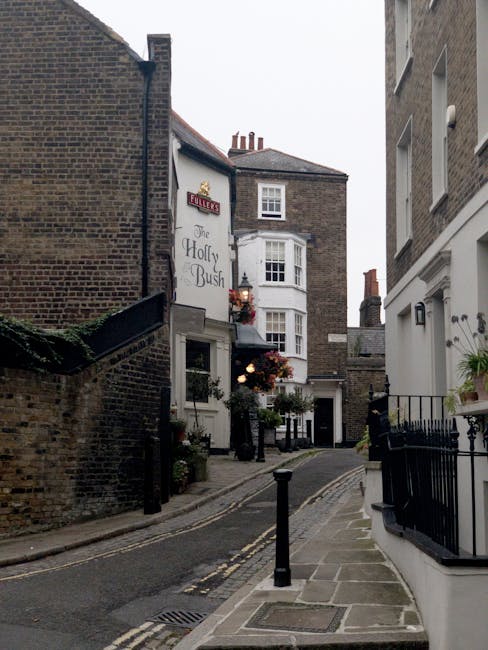
Heath Street and the surrounding Hampstead roads can be beautiful, but they are not always friendly to large vehicles or last-minute loading plans. That is the reality. Narrow access changes the whole shape of a move. A standard removals approach can become slow, clumsy, or unsafe if the route from property to vehicle is tight, steep, uneven, or blocked by street activity.
Why does this matter so much? Because narrow access affects three things at once: time, risk, and cost. If access is cramped, loading takes longer. If turning space is limited, there is more chance of damage to furniture, door frames, walls, or the van itself. And if the job needs extra carrying distance from the property to the vehicle, labour is likely to increase too.
There is also a quieter issue that people often miss: stress. A move with poor access can turn a manageable day into one long problem-solving exercise. One resident may be waiting for a sofa to clear a staircase while another is trying to keep the hallway free. It is not dramatic, just tiring. A proper narrow-access plan reduces that strain before it starts.
In our experience, the best results come when customers treat the access check as part of the move itself, not as an afterthought. A quick walkthrough, a few photos, and an honest conversation about the tight bits can save a lot of grief later.
How Heath Street man with van guide for narrow access moves Works
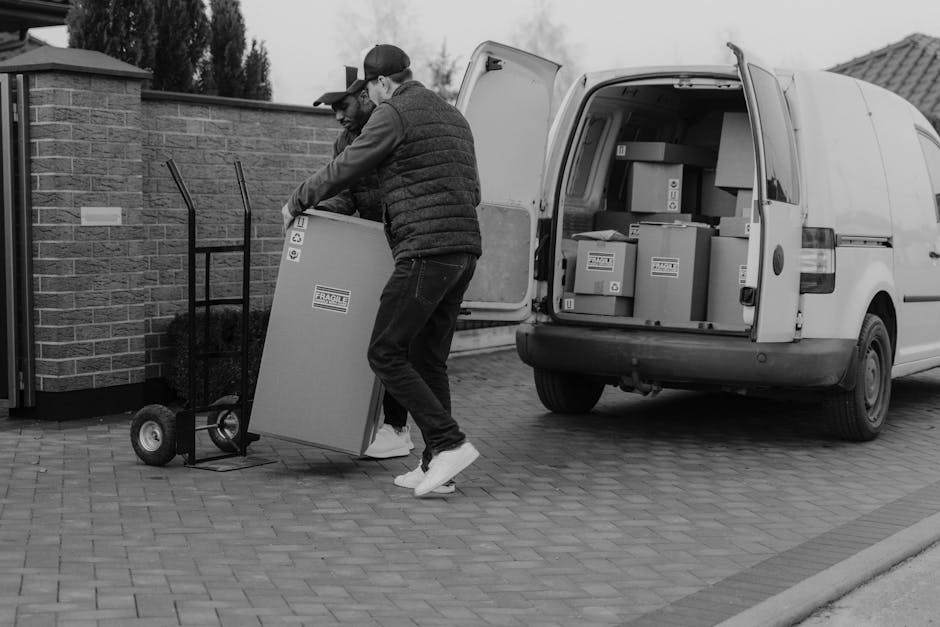
A man with van service for a narrow-access move is usually based on flexibility. Instead of sending a large removals vehicle and crew, the job is matched to a smaller van and a practical loading plan. That might sound obvious, but it makes a big difference where the street layout is tight or the building entrance is awkward.
Typically, the process works like this:
- Access is assessed using information you provide, sometimes supported by photos or a quick call.
- The right van size is chosen to balance load capacity with street accessibility.
- Loading points are identified so the team knows where they can safely stop, park, or wait.
- Items are prepared for the shortest safe carry from property to vehicle.
- The move is completed in stages if the property layout needs it, rather than forcing everything through at once.
That staged approach matters. A narrow hallway or basement flat may not allow large items to be carried together, and sometimes the smartest move is to split the load into lighter, more controllable pieces. It sounds slower, but in practice it can be faster because no one is wrestling with a sofa sideways while someone else is holding a door open with their shoulder. A classic London scene, really.
Good providers will also plan for local parking constraints, one-way streets, and the possibility that another vehicle is in the way on arrival. Flexible timing helps. So does clear communication. If the street is busy at school-run time or near market hours, that can influence the best loading window.
What narrow access usually includes
Narrow access can mean different things from one property to the next. Common examples include:
- tight front entrances or shared doorways
- steep or narrow staircases
- limited kerb space for loading
- low bridges, overhanging trees, or restricted turns
- basement flats and upper-floor walk-ups
- courtyards, mews-style entrances, or rear access only
Each of these changes the move plan in a slightly different way. That is why a one-size-fits-all quote can be misleading. A sensible provider will ask questions, not just take a postcode and hope for the best.
Key Benefits and Practical Advantages
A narrow-access move handled by a man with van service can be a very smart choice when the job is local, the property is awkward, and you need a hands-on approach. The benefits are practical rather than glamorous, which is exactly what you want on moving day.
- Better manoeuvrability: smaller vans are easier to place on narrow roads and in tighter loading spaces.
- More personalised handling: the team can adapt on the spot if a staircase, doorway, or parking space is tighter than expected.
- Potential cost control: for smaller loads, you may avoid paying for a larger removals crew you do not need.
- Reduced disruption: a smaller vehicle can sometimes make loading quicker on busy streets.
- Less unnecessary lifting: careful route planning can reduce repeated carrying and awkward angles.
There is another benefit that people do not always talk about: confidence. When you know your mover has dealt with narrow access before, you spend less time worrying whether your wardrobe will make it around the bend. That peace of mind is worth something, especially if you are moving fragile items or working to a deadline.
It is worth saying, though, that a smaller van is not always the answer. If the access is narrow but the load is large, you may need multiple trips or a slightly different vehicle size. The right answer depends on the layout, not just the number of boxes.
Who This Is For and When It Makes Sense
This kind of service is especially useful for people moving in and out of period properties, maisonettes, compact flats, and shared buildings where access is a bit awkward. If that sounds familiar, you are in the right place.
It tends to make sense for:
- single-room or small flat moves
- students and renters with limited furniture
- people moving into or out of upper-floor homes
- customers with large but not excessive items such as beds, wardrobes, and sofas
- short-notice local moves where flexibility matters
- collections or deliveries from homes with narrow driveways or restricted entrances
It is also a strong fit if you are moving something valuable or awkward, and you want more direct oversight than you would get from a larger team. A piano is a specialist job, of course, but even ordinary furniture can become tricky once the access gets tight enough.
Truth be told, the service is not just for people with small loads. Sometimes a bigger household move still benefits from a man with van setup if the access is the real limiting factor and the bulk of the goods can be moved in a series of controlled runs. That is where judgement matters more than headline van size.
Step-by-Step Guidance
If you want the move to go well, treat the access plan like a mini project. Not a complicated one. Just structured enough to avoid surprises.
1. Measure the route, not just the room
Do not stop at measuring the sofa or the mattress. Check the doorway widths, corridor corners, stair turns, and any points where the item must be tilted or rotated. A tape measure and a few phone photos are often enough to spot a problem before moving day.
2. Check parking and stopping options
Heath Street moves can be affected by local parking conditions, loading restrictions, and the simple fact that other people use the road too. Identify where the van can safely stop, even if only for a short loading window. If you can, note whether there is enough room for the rear doors to open fully.
3. Identify the heaviest or most awkward items first
This sounds basic, but it is a real priority. Large wardrobes, mattresses, desks, and white goods often determine the access strategy. If those will fit, the smaller boxes are usually straightforward. If not, the whole plan may need adjusting.
4. Clear the route inside the property
Remove loose rugs, plant pots, shoes, lamps, or anything else that could be kicked, tripped over, or knocked. A clean route makes a narrow carry safer and quicker. It also reduces the chance of a rushed moment where someone says, "I'll just move that now," and then immediately regrets it.
5. Confirm timing and contact details
In busy areas, a short arrival window helps. Make sure the driver or mover can reach you easily, especially if access depends on unlocking a gate, courtyard, or shared entrance. A five-minute delay is normal; a mystery delay because nobody can find the right door is not.
6. Build in a contingency plan
Ask what happens if the van cannot park directly outside, or if another vehicle blocks access. A good plan might include a nearby waiting point, a second carry route, or a small timing adjustment. It is better to agree that upfront than to improvise under pressure.
Expert Tips for Better Results
If you have moved more than once in London, you probably already know that the smallest detail can have the biggest impact. A few practical habits make narrow access jobs run far more smoothly.
- Send photos early. A quick picture of the entrance, stairs, road, and loading point often tells more than a long description.
- Be honest about awkward items. If the wardrobe was built in the room, say so. If the sofa has a fixed corner shape, mention it.
- Use padding strategically. Blankets, wraps, and corner protection can prevent scuffs in tight stairwells.
- Disassemble where sensible. Removing table legs or bed frames can save time and reduce risk.
- Keep keys, parking notes, and access codes together. Sounds obvious. Often is not.
- Schedule with daylight in mind. A narrow stairwell is easier to judge in daylight than in a dim evening hall.
One small but useful tip: if the street is especially tight, ask the mover to think about unload order before arrival. Loading the van in a sensible sequence can prevent constant reshuffling. That little bit of planning makes the whole job feel calmer.
Expert summary: narrow-access moving is mostly about reducing friction. The best move is usually not the fastest-looking one, but the one with the fewest awkward lifts, reversals, and "hang on, let's try that again" moments.
Common Mistakes to Avoid
Plenty of moving problems are avoidable. The main issue is that people only spot them once the van has arrived, which is a bit late for a relaxed fix.
- Underestimating access constraints: "It should be fine" is not a plan.
- Not mentioning stairs or turns: a flat that looks simple on paper may be complicated in person.
- Choosing a vehicle too large: bigger is not always better in a narrow street.
- Leaving boxes loose and unstable: they slow down loading and create safety risks.
- Ignoring parking realities: if the van cannot stop close enough, everything takes longer.
- Forgetting building rules: some properties have restricted access times or shared areas that need care.
- Booking too tightly around deadlines: narrow-access jobs often need a bit of breathing room.
The biggest mistake of all? Assuming the mover can "just manage" without proper details. To be fair, experienced teams can handle a lot, but they still need information. Narrow access is where small oversights become visible very quickly.
Tools, Resources and Recommendations
You do not need a pile of specialist gear for every narrow-access move, but a few sensible items make a clear difference.
| Item | Why it helps | Best use |
|---|---|---|
| Measuring tape | Checks doors, stairs, and furniture clearances | Before the move and during planning |
| Furniture blankets | Protects walls, banisters, and item surfaces | Close-contact stair and hallway moves |
| Straps | Improves control over heavy or awkward items | Lifting and carrying large furniture |
| Gloves with grip | Helps reduce slipping | Boxes, appliances, and damp weather days |
| Door wedges | Keeps routes open while carrying | Shared entrances and internal doors |
| Phone camera | Documents access points for the mover | Quick visual assessment |
For customers comparing service levels, the most useful resources are usually the practical pages that explain how the company works, what safety measures are in place, and how pricing is handled. You can review the company's about us page to understand the service approach, and the insurance and safety page if you want reassurance around handling standards.
If you are arranging payment in advance or want to know how booking is managed, the payment and security information is also worth checking. It is one of those boring-but-important things. Boring in the best possible way.
Law, Compliance, Standards, or Best Practice
For narrow access moves, the main compliance issues are usually practical rather than dramatic. The move should be carried out safely, with reasonable care for people, property, and vehicles. In the UK, that means thinking about safe lifting, safe parking, access to shared spaces, and avoiding damage or obstruction where possible.
There are also a few common best-practice principles that sensible movers follow:
- Risk awareness: identify trip hazards, tight corners, low ceilings, and uneven surfaces before lifting begins.
- Manual handling care: reduce strain by splitting loads, using two-person lifts where needed, and planning routes carefully.
- Property protection: protect walls, banisters, floors, and door frames in narrow or fragile access points.
- Insurance awareness: understand what is covered and what is excluded before the move starts.
- Clear terms: know what happens if access is more difficult than described, especially if extra time is needed.
It is also wise to check the mover's own public policies. The company's terms and conditions can help set expectations, while the health and safety policy gives a sense of how seriously the team approaches risk management. If you want a deeper look at service values and business practices, the site also provides an accessibility statement, which can be useful if you or someone helping you has access needs.
And yes, if a provider asks detailed questions about access, that is usually a good sign, not an annoying one. It means they are trying to avoid problems instead of discovering them with a sofa halfway down the stairs.
Options, Methods, or Comparison Table
When access is tight, you usually have a few different moving methods to choose from. The best one depends on how much you are moving, what the street is like, and how much physical handling the property demands.
| Method | Best for | Pros | Trade-offs |
|---|---|---|---|
| Small man with van | Local moves, limited loads, narrow streets | Highly flexible, easier parking, personal service | May need multiple trips for larger loads |
| Medium van with helper | Moderate furniture and boxes | Better balance of capacity and access | Needs careful route planning in tight roads |
| Large removals vehicle | Bigger household moves with easier access | More capacity in one run | Harder to manoeuvre on narrow streets |
| Split-load approach | Awkward properties with mixed access | Allows more control and staging | Can take longer overall |
In real life, a split-load approach is often the most underrated option for narrow access. It sounds a bit less efficient at first glance, but if the stairwell is tight or the van cannot park right outside, staging the move can be the calmest route. Calm is good. Calm saves furniture.
Case Study or Real-World Example
Consider a small flat move on a side road off Heath Street. The property has a narrow hallway, a tight turn at the bottom of the stairs, and no practical space for a large van to sit directly outside. The customer has a bed frame, a compact sofa, a desk, and around twenty boxes.
Rather than send a bigger vehicle and hope for the best, the move is planned with a smaller van and a clear loading sequence. The heaviest items are identified first. The bed frame is partly dismantled. The sofa is wrapped and carried with two people because the stair turn is sharper than it looked in the photos. Boxes are staged by the door so the exit path stays clear. Parking is chosen a little further along the road, but still close enough for efficient loading.
What made the difference? Preparation, mostly. Nothing fancy. The customer had shared photos in advance, the mover knew where the awkward corner was, and there was no last-minute argument about whether the wardrobe would fit without dismantling. It did not become a dramatic story. Which, frankly, is exactly the point.
The whole move took a little longer than a wide-access job would have, but it stayed controlled, safe, and far less stressful than it could have been. That is what a good narrow-access plan should do.
Practical Checklist
Use this checklist before moving day. It is simple, but it catches a lot of the problems people usually discover too late.
- Measure doorways, stair turns, and any tight internal corners.
- Take photos of the front entrance, stairs, street, and loading area.
- Tell the mover about any basement steps, shared entrances, or rear access routes.
- Confirm whether the van can stop close to the property.
- Identify large or awkward furniture early.
- Disassemble items where it makes sense.
- Clear the hallway, landing, and door approach.
- Protect floors and fragile surfaces if needed.
- Keep keys, access codes, and contact details ready.
- Check pricing, insurance, and the moving terms in advance.
- Leave a bit of timing flexibility if the road is busy or parking is tight.
If you want to compare booking details and understand what is included, the pricing and quotes page is a sensible next stop. If you have questions, the contact us page is there for direct enquiries. And if sustainability matters to you, the company's recycling and sustainability information may also be useful when you are deciding what to keep, reuse, or dispose of.
Conclusion
A narrow access move on or around Heath Street does not need to be complicated, but it does need to be thought through. The right man with van setup can turn a potentially awkward job into a tidy, well-paced move that respects the street, the property, and your time. That is the real goal. Not perfection. Just a move that feels under control from start to finish.
If you remember only one thing, let it be this: clear access information is just as important as the item list. A good mover can work with constraints, but they can work much better when they know what those constraints are before the van rolls up.
Get a free quote today and see how much you can save.
And if you are still in the planning stage, take your time, ask the awkward questions, and keep the route clear. A calm move is a better move. Simple as that.
Frequently Asked Questions
What is a narrow access move?
A narrow access move is any move where space is limited at the property, on the street, or along the carrying route. That could mean tight stairs, a small entrance, limited parking, or awkward turning space for the van.
Is a man with van service suitable for Heath Street properties?
Often, yes. It can be a very good fit for local properties where a smaller vehicle and hands-on loading are more practical than a larger removals lorry. The best choice depends on your access and load size.
How do I know if my item will fit through the staircase?
Measure the item and the narrowest parts of the route, including doorways and stair turns. If possible, take photos and share them with the mover. Many access issues are clearer from pictures than from a quick description.
Should I dismantle furniture before a narrow access move?
Usually, yes, if the item can be safely taken apart and rebuilt. Removing legs, headboards, or shelving often makes a big difference. Just keep the fixings together in a labelled bag so you are not hunting for screws later.
What happens if the van cannot park right outside?
The team may need to load from a nearby legal stopping point and carry items the extra distance. That can add time, so it is worth discussing parking in advance and allowing a little flexibility in the schedule.
Is a smaller van always better for narrow streets?
Not always. A smaller van is easier to place, but the load still has to fit. Sometimes a medium van is the better balance, especially if there are several large items and the access is only moderately tight.
How can I reduce the risk of damage during a tight move?
Protect walls and furniture, clear the route, and use proper lifting technique. Sharing photos beforehand also helps the mover plan the safest carrying angle and decide whether items should be wrapped or dismantled.
Do narrow access moves usually cost more?
They can, especially if the job takes longer or requires extra handling. But not every narrow-access move is expensive. Smaller loads, good planning, and efficient parking can keep costs sensible.
What should I tell the mover before booking?
Tell them about stairs, door widths, parking, building access rules, heavy items, and anything unusual like a basement entrance or courtyard. The more specific you are, the better the quote and the smoother the move.
Can a man with van service handle both boxes and large furniture?
Yes, usually. That is one of the main advantages. The service is flexible enough for mixed loads, which is helpful when you have a few bulky pieces and a stack of smaller items to move.
What if I need help with disposal or recycling too?
Some customers like to clear out unwanted items before or during the move. If that matters to you, check the company's recycling and sustainability information so you know what can be reused, separated, or handled responsibly.
How far in advance should I book?
As soon as you can, especially if your access is tricky or your moving date is fixed. Narrow access jobs benefit from early planning because there is more time to review photos, parking, and the right vehicle size.
If you are ready to make arrangements, start with the team's service pages, review the practical policies, and send through a few photos of the access points. That small effort up front can save a lot of hassle on the day, and honestly, it usually does.