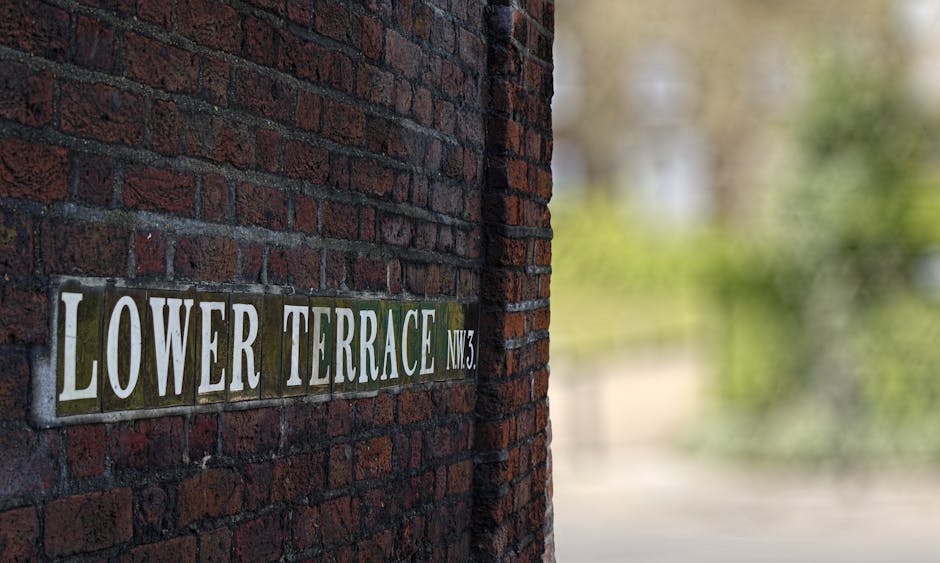
Office removals Rosslyn Hill for Hampstead businesses
Moving an office in Hampstead is rarely just about boxes and a van. It is about keeping clients informed, protecting equipment, avoiding disruption, and getting back to work without the sort of chaos that makes everyone sigh before 9 a.m. If you are planning Office removals Rosslyn Hill for Hampstead businesses, the real challenge is not the lift load or the paperwork alone; it is making the whole move feel controlled, local, and surprisingly calm.
Rosslyn Hill sits in one of those London pockets where timing, access, parking, and building rules can shape the whole day. For a small studio, a growing agency, a consultancy, or a long-established practice, the right move plan can save hours. The wrong one? Well, let's just say a single blocked entrance or a missed booking slot can turn a tidy relocation into a messy afternoon.
This guide walks through how office removals in Rosslyn Hill work, what Hampstead businesses should expect, and how to choose the smartest approach for your team, your budget, and your downtime. It also links you to useful service and policy pages where they genuinely help, such as office removals, office relocation services, and pricing and quotes.
- Plan a move around your business hours and building access.
- Protect devices, files, furniture, and fragile items properly.
- Reduce downtime with clear sequencing and labelled packing.
- Use local knowledge to manage narrow roads, bays, and timing.
Table of Contents
- Why office removals on Rosslyn Hill matter
- How the move process works
- Key benefits and practical advantages
- Who this is for and when it makes sense
- Step-by-step guidance
- Expert tips for better results
- Common mistakes to avoid
- Tools, resources and recommendations
- Law, compliance, standards and best practice
- Options, methods and comparison table
- Case study or real-world example
- Practical checklist
- Conclusion
- Frequently asked questions
Why Office removals Rosslyn Hill for Hampstead businesses Matters
Rosslyn Hill is close enough to central London to feel busy, but local enough that every detail matters. If your business is moving within or around Hampstead, you are dealing with more than transport. You are handling continuity. That means emails still need sending, phones still need answering, and staff still need somewhere to work the next morning.
For many businesses, the value of a professionally managed office move is simple: fewer interruptions. But there is a second layer too. A well-planned move protects your equipment, reduces the risk of lost files, and helps your team keep confidence during a change that can otherwise feel unsettling. Truth be told, people notice when a move is organised properly. They also notice when it is not.
Local conditions also matter. In and around Hampstead, road access can be tight, parking can be awkward, and building entry rules may be strict. A mover who understands these realities can plan loading times better, anticipate bottlenecks, and avoid the sort of delays that snowball. That is especially important for businesses near shared office buildings, clinics, creative studios, or small professional practices where a few minutes can make a real difference.
If you are weighing up options, it is worth understanding the wider picture of commercial moves and how office relocation sits within broader business logistics. Not every job needs the same vehicle, crew size, or packing depth, and that flexibility is what makes a local move workable.
How Office removals Rosslyn Hill for Hampstead businesses Works
A successful office move usually follows a fairly predictable pattern, though the details change depending on the size of the workspace and how much equipment you have. Most moves begin with an assessment of access, inventory, and timing. From there, the move is broken into safe, manageable stages rather than one big, frantic lift-and-go.
The first stage is planning. This includes identifying what is moving, what is being discarded, what needs specialist handling, and what must be ready on arrival. Then comes packing and labelling. In a real office, this step is not glamorous, but it saves endless headaches. A box marked "kitchen stuff" might be fine at home. In an office? Not so much.
On moving day, the process usually starts with protective wrapping for furniture and equipment, followed by loading in a sensible order. Items needed first at the destination are ideally loaded last, so they come off quickly. This is one of those small practical things that separates a smooth move from a long one.
For some businesses, it makes sense to combine the move with packing and unpacking services. That can be especially helpful if staff are already stretched or if you are moving on a tight deadline. Others prefer a lighter-touch arrangement with a smaller team and a simpler setup. Both can work. The key is matching the method to the workload.
There is also the question of vehicle choice. Depending on volume and access, you may need a removal van, a larger moving truck, or something in between. In tight Hampstead streets, vehicle size can be just as important as speed.
Key Benefits and Practical Advantages
Office removals are not only about getting from A to B. Done well, they can improve the way your business handles change. That sounds grand, maybe, but it is often true in a very ordinary way: staff feel looked after, equipment arrives in one piece, and the first day in the new place is not a panic.
Here are the main advantages Hampstead businesses usually care about:
- Less downtime: a structured move helps teams return to normal quicker.
- Better protection: careful packing reduces damage to computers, monitors, desks, and paperwork.
- Cleaner coordination: everyone knows what is moving, when, and where it is going.
- Lower stress: your staff are not left improvising on the day.
- Local efficiency: movers familiar with Rosslyn Hill and nearby streets can plan access better.
Another practical benefit is that office moves often create a natural moment to reorganise. You may discover old files you no longer need, duplicate hardware that can be retired, or furniture that is not earning its keep. That is where supportive add-ons such as storage and furniture removals can make the transition cleaner. A move is a good excuse to reduce clutter. Not a bad excuse, anyway.
There is also a financial angle. Better planning usually means fewer emergency purchases, less overtime, and fewer last-minute fixes. You may not feel that immediately, but by the time the new office opens and nobody is chasing missing chairs, you will.
Who This Is For and When It Makes Sense
This service is for Hampstead businesses that need a safe, organised, and local office relocation rather than a rushed one-size-fits-all van job. It suits companies that value continuity, have equipment that needs protection, or simply cannot afford to lose half a working day because the move was improvised.
It is especially useful for:
- small and medium-sized offices moving within Hampstead or nearby boroughs
- consultants, agencies, accountants, solicitors, and design studios
- startups scaling into a larger workspace
- shared offices splitting, merging, or reconfiguring their layout
- businesses with filing systems, screens, printers, and delicate kit
It also makes sense if your building has awkward access, because Rosslyn Hill and surrounding roads can be unforgiving when vans arrive without a plan. If your team has a lot of boxed items rather than large furniture, a more flexible route using man and van or man with van style support may be enough. For heavier or fuller moves, a broader removal services approach is often better.
Sometimes the move is tied to a fast business change: a new lease, a downsizing decision, a fit-out deadline, or a sudden need to relocate after building works. In those moments, speed matters, but so does control. A move can be quick and still orderly. That is the sweet spot.
Step-by-Step Guidance
If you want the move to feel manageable, break it down. Step by step is not exciting, but it works. Most office relocations fail when too much is left until the final week.
- Audit the office contents. List desks, chairs, IT equipment, files, kitchen items, artwork, and anything fragile or awkward.
- Decide what is moving. Separate keep, recycle, donate, archive, or dispose. This saves time and vehicle space.
- Check access at both addresses. Measure doorways, note stairs or lifts, and confirm loading areas, especially around Rosslyn Hill.
- Choose the move method. Smaller offices may suit a van-based move; larger setups may need a more substantial vehicle and crew.
- Prepare packing materials. Use sturdy boxes, labels, tape, bubble wrap, and furniture protection. Good materials matter more than people think.
- Label by zone and priority. Put each box into a department, room, or workstation category so unpacking is faster.
- Back up data and secure devices. Computers, drives, and network items should be checked before anything leaves the old office.
- Confirm timing. Keep staff, building managers, and anyone else involved aligned on arrival and loading times.
- Load in sequence. Essentials should be easiest to access at the new site.
- Do a final walkthrough. Look in cupboards, drawers, storage rooms, and shared areas. People forget things. Always.
If your move includes significant boxing-up, the page on packing and boxes is a useful companion. And if you need help finishing the other end, office relocation services can support a more complete handover.
A small but useful habit: keep a single "first hour" box for each office area. Put in extension leads, chargers, scissors, tape, a stapler, basic stationery, and a few cleaning wipes. Sounds almost too simple, yet it can save the morning.
Expert Tips for Better Results
There are a few things experienced movers and organised businesses tend to do well. None of them are flashy. That is usually the point.
- Move the least useful items first. Archive boxes, display stock, seasonal materials, and spare chairs can go before live workstations.
- Keep IT separate where possible. Screens, routers, and docking stations deserve extra care. They are often light, but not forgiving.
- Use colour coding. A simple colour system by department or room speeds up unpacking and reduces mistakes.
- Do not overpack boxes. Heavy files can turn a normal box into an awkward little brick. Nobody wants that.
- Think about the order of use. Reception, finance, and frontline client areas may need to be operational first.
- Ask about insurance and handling standards. Reputable providers should be transparent about care and cover. For peace of mind, review insurance and safety before the day arrives.
It can also help to stage the move over two shorter windows rather than one long, exhausting one. Some businesses do the bulk of packing late afternoon and evening, then shift the final items early the next day. Others prefer a single weekend move. There is no universal winner; it depends on your team and building access.
And yes, make someone responsible for the kettle. That sounds trivial until ten people are standing around in a new office with no mugs and no tea. Suddenly the whole project feels a bit less polished.
Common Mistakes to Avoid
Office moves are rarely ruined by one giant mistake. More often, they are undone by lots of small ones. The sort you only notice when the missing laptop charger becomes a mini-crisis.
- Leaving packing until the final day: this creates rushed decisions and damaged items.
- Underestimating access issues: parking, turning space, stairwells, and lift timings can all slow the job.
- Not labelling boxes properly: plain boxes are fine for a garage, not for a functioning workplace.
- Forgetting building rules: some premises have strict move-in windows or require advance notice.
- Mixing office and personal items: it gets messy fast, and the unpacking never quite ends.
- Ignoring disposal planning: old furniture and redundant equipment need a route out, not a corner to sit in.
Another mistake is assuming that the cheapest option is the best value. In practice, the cheapest move can become the most expensive if it causes delays, damages equipment, or keeps staff off work longer than expected. To be fair, most businesses learn that lesson once and then never again.
There is also a subtle one: not telling staff what is expected of them. If everyone thinks someone else is packing the shared printer, nobody packs the shared printer. That is how office moves develop character.
Tools, Resources and Recommendations
You do not need a mountain of specialist gear for a straightforward office move, but a few practical tools make a big difference. Think of them as the quiet helpers in the background.
- Strong moving boxes: use consistent sizes where possible so stacking is safer.
- Labels and marker pens: simple, clear, and preferably waterproof.
- Packing tape and dispensers: faster than wrestling with loose tape rolls.
- Protective wraps and covers: important for desks, monitors, and delicate surfaces.
- Inventory spreadsheet: not glamorous, but very useful when items need checking at both ends.
- Floor and door protection: helps avoid scuffs in both the old and new office.
For businesses with larger or more awkward items, it can be sensible to explore removal truck hire or, if the move is smaller and more straightforward, a removal van. The right vehicle is not just about size. It is about making loading efficient and keeping the day manageable.
If you are still weighing up whether to use a broad service package or a lighter one, the comparison usually comes down to time, volume, and internal resource. If your team is already at full stretch, support like packing and unpacking services can pay for itself in sanity alone. Small exaggeration, maybe. But only small.
Law, Compliance, Standards and Best Practice
Office removals are practical work, but they still touch on compliance and business responsibility. The exact obligations vary depending on your premises, your lease, your contracts, and what you are moving. That is why it helps to treat compliance as part of planning, not an afterthought.
In UK business settings, common best practices include clear access arrangements, safe manual handling, sensible packaging, and proper care for confidential materials. If your office stores records, client information, or sensitive paperwork, you should think carefully about privacy and secure handling during the move. It is not just about avoiding damage. It is about avoiding exposure.
Health and safety matters too. Heavy lifting, awkward stairs, cramped hallways, and repetitive carrying can create avoidable strain. A responsible move plan should consider load weights, team coordination, and the route between the building and vehicle. You can review general expectations on the site's health and safety policy page for a clearer sense of how safety is approached.
Businesses should also check contract terms, payment handling, and cancellation expectations before confirming a move. That is simply good practice. If you are comparing providers, the pages on terms and conditions, payment and security, and privacy policy are useful references when you want to understand how information and payments are handled.
For businesses with sustainability goals, it can also be sensible to reduce waste rather than send everything to the new office by default. The page on recycling and sustainability is worth reviewing if you want to handle unwanted items more responsibly. Sometimes the greener choice is also the tidier one.
Options, Methods and Comparison Table
Not every office move needs the same approach. Here is a straightforward comparison to help Hampstead businesses decide what fits best.
| Option | Best for | Strengths | Trade-offs |
|---|---|---|---|
| Van-based move | Small offices, lighter loads, short distances | Flexible, quick to book, good for tight streets | May need multiple trips if volume is higher |
| Truck-based move | Larger offices or mixed furniture and equipment | Handles more in one go, efficient for fuller moves | Access and parking need more planning |
| Full relocation service | Busy teams, deadline-driven moves, minimal in-house time | More hands-on support, better coordination, reduced stress | Usually more involved to arrange |
| Self-managed move with support | Cost-conscious businesses with available staff | Flexible and can feel economical | Higher internal workload and greater risk of delays |
If you are unsure which route makes sense, start with volume, access, and time. Then ask yourself a blunt question: do you want your staff moving boxes, or do you want them ready for work? That usually clarifies things pretty fast.
Case Study or Real-World Example
Imagine a small Hampstead design studio moving from a shared office near Rosslyn Hill into a slightly larger space nearby. They have six desks, a handful of monitors, a large-format printer, archive boxes, sample materials, and a few chairs that have seen better days. Nothing outrageous, but enough to cause confusion if handled casually.
In the first week, the team sorts items into three groups: daily-use, storage, and discard. They order boxes early, label each workstation, and identify the printer and network kit as priority items. They also arrange for old chairs and surplus furniture to be removed separately, rather than clogging up the new office on day one.
On moving day, the load is done in a sequence that reflects how the studio will reopen. First-hour essentials go on last and come off first. The team arrives at the new space with a kettle box, chargers, stationery, and printed labels already marked. Not fancy. Just useful.
The result is not magical. The office still has boxes. There is still that odd moving-day smell of cardboard, tape, and dust. But the team can answer emails, set up the printer, and resume client work the same day. That is the win. Not perfection. Momentum.
Practical Checklist
Use this checklist in the run-up to your move. It is short on drama and heavy on common sense, which is exactly what you want.
- Confirm your move date and access times for both locations.
- Measure doorways, stairwells, lifts, and loading areas.
- Inventory furniture, IT equipment, filing, and fragile items.
- Decide what to keep, recycle, store, or dispose of.
- Back up digital files and secure important documents.
- Order boxes, tape, labels, and protective materials in advance.
- Pack non-essential items first and daily-use items last.
- Label everything by room, team, or priority.
- Prepare a first-day essentials box for each department.
- Notify staff about responsibilities and arrival timings.
- Review insurance, safety, and payment terms before confirming.
- Walk through both premises before and after the move.
If you need broader moving support beyond the office itself, you can also look at removal services and the wider range of removals options available for local moves.
Get a free quote today and see how much you can save.
Conclusion
Office removals Rosslyn Hill for Hampstead businesses work best when the move is treated like a business project, not a transport task. That means planning access, protecting equipment, controlling timing, and giving your team a simple, reliable structure to follow. The more local the move, the more those small details matter.
Whether you are moving a compact studio, a growing practice, or a more established office, the goal is the same: keep disruption low, keep people informed, and get the new space operational without unnecessary drama. In the end, a good office move should feel almost boring. And honestly, that is a compliment.
When the boxes are gone, the desks are aligned, and the kettle is finally on, the new place starts to feel like yours. That quiet moment is usually worth the effort.
Frequently Asked Questions
What makes office removals on Rosslyn Hill different from a standard office move?
Rosslyn Hill and nearby Hampstead streets can involve tighter access, parking constraints, and more careful timing than a generic suburban move. Local knowledge helps the whole day run more smoothly.
How early should a Hampstead business start planning its office move?
Ideally, planning should begin as soon as the move is confirmed. Even a small office benefits from early access checks, inventory planning, and a packing schedule. Rushing the final week is where mistakes creep in.
Do I need packing help, or can my staff do it themselves?
That depends on time, workload, and how sensitive your equipment is. If staff are already busy, packing and unpacking services can reduce pressure and speed up the transition. For smaller moves, self-packing may be fine.
What kind of vehicle is best for an office relocation?
A van is often enough for smaller offices or lighter loads, while a truck makes more sense for larger inventories. Access, loading space, and how many trips you want to avoid all influence the choice.
Can office removals include furniture disposal or storage?
Yes, they often can. If you have surplus desks, chairs, or archive material, options such as storage and furniture removals may help keep the move cleaner and more organised.
How do I keep business downtime to a minimum?
Pack in stages, label clearly, move non-essential items first, and make sure your first-day essentials are easy to reach. Keeping IT, reception, and priority work areas at the front of the plan also helps.
What should I do with confidential documents during a move?
Keep them secure, clearly separated, and handled by named staff where possible. If your office holds sensitive client records, treat document handling as part of your move planning, not an afterthought.
Are office removals suitable for small businesses in Hampstead?
Absolutely. In fact, smaller businesses often benefit a lot because a well-planned move prevents one person from doing everything at the last minute. A compact team may only need a flexible, local setup.
How do I choose between a full relocation service and a lighter move?
Look at your internal capacity. If staff can pack and manage the process, a lighter move may suit. If time is tight or the office is busy, a fuller service is usually worth the extra support.
What are the biggest mistakes businesses make during office moves?
The most common ones are poor labelling, leaving packing too late, overlooking access issues, and forgetting to plan for unwanted furniture or equipment. They are small mistakes, but they add up fast.
Should I check insurance and safety details before booking?
Yes. It is sensible to understand how handling, care, and payment are managed before you confirm the move. The site's insurance and safety page is a good place to start.
Where can I find pricing information for an office move?
You can review the pricing and quotes page for a clearer sense of how estimates are approached. Every office move is a little different, so a tailored quote is usually the best way to get a realistic figure.
What if I need a fast move at short notice?
Short-notice relocations do happen, especially when leases, repairs, or business changes move quickly. In those cases, services like same day removals may be relevant, depending on availability and scope.
How can I make the new office feel ready on day one?
Prioritise essentials: power, internet, furniture layout, labels, and the first-hour box. If the basics are in place, the rest feels far less chaotic. A new office should feel like a fresh start, not a puzzle.
If you are comparing providers, it is worth looking at the business behind the move as well. The page on about us helps set the tone, and if you want to raise a concern later, the complaints procedure is there for clarity. It is always better when these things are transparent from the start.